Most beginner woodworkers have the same fantasy: build things in the garage, sell them online, make a full-time income. The reality is more nuanced — some woodworking products sell fast and pay well; others take hours to build and barely cover material costs. This guide cuts through the noise with real numbers: typical sale prices in Australian dollars, real material costs, and honest profit margins. Use this data to build a product range that actually makes money, not just sawdust.
The Real Economics of Selling Woodworking
Before we look at specific products, there’s a pricing principle most beginners get wrong: they price for materials, not for time. If you spend four hours building a cutting board and price it at $35 because the timber cost $12, you’re making $5.75 an hour. You’d earn more working at a fast food counter.
The correct starting point is: material cost × 3 as your minimum price. Then sanity-check it against your time. If the result leaves you earning less than $25–$30 per hour for your labour, either price it higher, streamline your process, or drop the product from your range.
The table below shows realistic figures for products that Australian woodworkers are currently selling successfully. These are based on Etsy Australia listings, Facebook Marketplace data, and local craft fair pricing — not aspirational numbers.
Profitable Products: Real Numbers
| Product | Typical Sale Price (AU$) | Material Cost (AU$) | Profit Margin | Time to Make | Approx. Profit Per Hour |
|---|---|---|---|---|---|
| Cutting board (end grain) | $65–$120 | $20–$30 | 60–75% | 2–4 hours (incl. glue-up) | $25–$40/hr |
| Serving board / charcuterie | $60–$120 | $12–$20 | 70–80% | 1.5–3 hours | $30–$50/hr |
| Floating shelves (set of 2) | $80–$200 | $25–$50 | 65–75% | 2–4 hours | $30–$45/hr |
| Small side table / bedside table | $150–$350 | $50–$100 | 60–70% | 5–10 hours | $25–$40/hr |
| Wooden signs (custom/personalised) | $30–$80 | $5–$15 | 70–85% | 1–2 hours | $25–$50/hr |
| Toy box / storage chest | $200–$400 | $60–$120 | 60–70% | 6–12 hours | $25–$35/hr |
| Adirondack chair | $250–$500 | $70–$130 | 65–75% | 8–16 hours | $20–$35/hr |
| Magnetic knife strip | $35–$70 | $10–$20 | 70–80% | 1–2 hours | $25–$45/hr |
The Best Beginners’ Product: Serving Boards and Charcuterie Boards
If you’re just starting out and want to generate cash flow quickly, serving boards are the sweet spot. Here’s why:
- Low material cost — a quality hardwood board from a timber merchant costs $10–$18
- Simple construction — no joinery required, just cutting, sanding, oiling
- High perceived value — natural timber looks premium and justifies $60–$120 pricing
- Fast to make — once your process is streamlined, you can complete 3–4 in a day
- Easy to personalise — add a name or custom handle shape to increase price by $15–$30
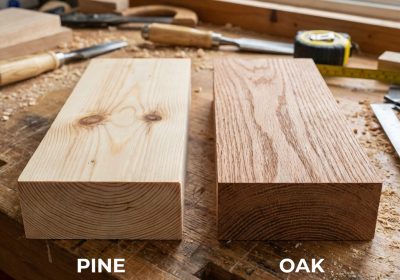
The best timber choices in Australia for boards are Queensland maple, blackwood, jarrah, and spotted gum. Avoid pine and softwoods — they’re not food-safe without significant sealing and don’t have the same premium appearance that commands high prices.
Products That Sound Good But Don’t Pay Well
Not every project that looks beautiful or gets likes on Instagram translates to a profitable product.
Large dining tables: They look impressive but require $300–$600 in timber, take 20–40 hours to build, and are difficult to sell online due to shipping. Local sales through Facebook Marketplace work, but you’re competing with IKEA at the $500–$800 price point. To price for your time at a fair rate, you’d need to sell at $1,500+, which is possible but requires an established reputation.
Pallet furniture: Pallets are free, which sounds good. But the timber is rough, low quality, and heavily varying — the time spent cleaning, de-nailing, and de-rusticating pallets eats your margin. The “pallet furniture” aesthetic has also passed its trend peak on platforms like Etsy.
Complex ornamental items: Intricate scroll-saw work and carved decorative items are technically impressive but are undervalued by the market. Buyers don’t see the skill; they see the size of the item. Price accordingly and you lose sales; price for your time and you lose sales differently.
Where to Sell: The Best Channels
Etsy
Etsy is the strongest channel for personalised items and anything with a gift-purchase angle: custom cutting boards, personalised signs, wedding decor. Etsy AU buyers expect to pay handmade prices and search specifically for Australian-made goods. The downside is competition and platform fees (6.5% transaction fee plus listing fees). Strong photography is non-negotiable — see our Etsy guide for more detail.
Facebook Marketplace
Facebook Marketplace is excellent for larger items (shelves, side tables, storage furniture) that are impractical to ship. It’s free to list, local buyers can collect, and you avoid shipping costs and packaging entirely. The downside is price pressure — Marketplace buyers are bargain hunting, so hold your prices and describe your work’s value clearly.
Local Craft Fairs and Markets
In-person markets are ideal for small, giftable items. Buyers can touch and inspect the quality, which converts better than photos for naturally-textured items like timber. Booth fees range from $50 to $250 per day depending on the market, so you need enough small-ticket items to cover the booth cost before you start making profit.
Instagram and Direct Orders
A consistent Instagram presence showing your process and finished pieces builds a following that buys directly. Direct sales have no platform fees. It takes time to build an audience, but even 2,000–5,000 followers in a local geographic area is enough to generate a steady stream of custom orders.
The Key to Scaling: Systemise Your Best Sellers
Once you find a product that sells consistently, resist the urge to constantly add new products. Instead, systematise the winner: create jigs and templates so every piece is consistent, buy timber in larger quantities to reduce material cost, and streamline your finishing workflow. When one product goes from taking 3 hours to 1.5 hours through process improvement, your effective hourly rate doubles without changing your price.
The woodworkers who turn this into a reliable income don’t make 50 different things. They find 3–5 products that work and make them better and faster than anyone else in their area.
Want to find profitable projects with detailed step-by-step plans and accurate materials lists? Ted’s Woodworking contains over 16,000 plans including furniture, storage, toys, outdoor pieces, and gift items — all with cutting lists and exact dimensions so you can calculate your materials cost before you start. It’s one of the best investments you can make before setting up a woodworking side business.