Building furniture doesn’t require expensive timber. The best woodworkers know that budget wood, bought smart and cut clean, produces results that are indistinguishable from expensive alternatives — especially under paint. Here’s a practical guide to getting quality results from the cheapest wood options available in Australia, with real prices and tips for buying at Bunnings and local hardware stores.
Cheapest Wood Options by Type
| Wood Type | Approx. Cost | Best Use | Quality Trade-offs |
|---|---|---|---|
| Construction Pine (2×4 / 90×45) | $3–$6 per lineal metre | Benches, frames, structural projects, first builds | Knots, moisture variations, rough face |
| Construction Pine (wider 2×6 / 140×45) | $5–$8 per lineal metre | Tabletops, shelves, seat slats | More knots, needs drying if still green |
| CD Structural Plywood (12mm) | $38–$48 per sheet (2400×1200) | Cabinet carcases, shelving, workbench tops | Rough face on D-side, edge needs finishing |
| CD Structural Plywood (18mm) | $52–$68 per sheet | Benchtops, floor panels, heavy-duty shelving | Heavy, difficult to move alone |
| MDF (16mm) | $28–$38 per sheet | Painted cabinetry, shelves, jigs | Heavy, water-sensitive, dust hazard |
| Poplar (DAR) | $6–$10 per lineal metre | Painted furniture, drawer boxes, cabinet sides | Limited availability — specialist yards only |
Construction Pine: The Best Budget Solid Timber
Construction pine — the framing timber used in house frames — is the cheapest solid wood you’ll find at any hardware store. In Australia, 90×45mm (“2×4” in old money) is the standard framing size and the most economical option per cubic metre of timber.
Here’s what you need to know about using it for furniture projects:
It’s Often Sold “Green” (Unseasoned)
Construction pine is often sold at high moisture content — meaning it still needs to dry out. If you build furniture from green pine and it dries in your house, it will shrink and potentially warp or twist. Look for “H2 treated” or “seasoned” pine where possible, or buy your timber well in advance and stack it in your workshop to acclimatise for at least two weeks before cutting.
How to Pick Good Boards at Bunnings
- Sight down the board: Hold one end up and look down its length. Any bow, twist, or cup will be obvious. Only buy straight boards.
- Check for end splits: Cracks at the ends indicate the timber has dried out too fast. These will propagate when you cut near them.
- Choose tight-knot boards: Knots are acceptable but dead knots (dark, loose-fitting knots that may fall out) are not. Squeeze the knot — if it moves, the board will fail near that point.
- Stack and look for wane: “Wane” is bark or missing wood on an edge. Boards with wane give you less useable width than you’re paying for.
Plywood: The Budget-Friendly Sheet Good
Structural plywood is made from layers of veneer glued with waterproof adhesive. It’s strong, stable, and because it comes in full 2400×1200mm sheets, you can get a lot of furniture from a single sheet. A full sheet of 18mm structural ply cut into strips gives you enough material for an entire bookcase.
Plywood Grades Explained (Australia)
- CD Structural: The cheapest grade. C-face is presentable (use this as the visible side); D-face has fills and repairs. Fine for painted work.
- F7 Structural: Rated for structural loads — overkill for furniture but strong. Similar appearance to CD.
- Hardwood Face Ply (Hoop Pine / Birch): Better-looking veneer face. More expensive but looks great under clear varnish. Worth the upgrade for visible surfaces.
Ask Bunnings to cut your sheet goods to rough size before you leave the store. Their panel saw cuts are not precision cuts, but getting sheets down to manageable sizes makes transport and further cutting at home much safer.
MDF: Cheapest for Flat Painted Work
MDF is consistently the cheapest material for painted shelves and cabinets. An 18mm MDF sheet costs less than plywood of the same thickness and produces a smoother painted finish because the grain-free surface needs minimal preparation. A single coat of Zinsser BIN primer followed by two coats of Dulux Aquanamel produces a result indistinguishable from factory-finished cabinetry.
Where MDF fails and you should not use it:
- Any application where it may get wet (laundry, bathrooms, outdoors)
- Long unsupported spans — it sags under load more than plywood
- Anywhere you need to drive screws near the edge — it strips out easily
Health note: MDF contains formaldehyde-based resins. Always wear a P2 dust mask when cutting or sanding, and work in a ventilated area. The dust from MDF is finer than wood dust and stays airborne longer.
What Wet and Green Lumber Costs You
The biggest budget mistake beginners make is building with timber that hasn’t acclimatised to indoor conditions. Green or wet lumber will dry out and shrink after you build with it, causing joints to open up, panels to warp, and drawers to stick. Avoid lumber that:
- Feels noticeably heavier than other boards of the same size
- Has dark patches or visible moisture on the end grain
- Was stored outdoors at the hardware store uncovered
The fix: buy timber at least one to two weeks before you need it and store it inside, lying flat on a level surface with stickers (small spacers) between each board to allow air circulation on all faces.
Tips for Buying Budget Timber in Australia
- Bunnings: Most reliable stock levels. Prices are mid-market. Use their in-store panel saw for sheet goods cuts.
- Mitre 10: Often has better quality dressed pine and more hardwood options. Prices slightly higher.
- Local timber yards: Cheaper than hardware stores for larger quantities. Often sell offcuts and short lengths at a discount — ideal for small projects.
- Facebook Marketplace / Gumtree: Search for “timber offcuts” or “hardwood timber” — renovators and builders frequently sell excellent timber cheaply after a job is done.
Build More For Less
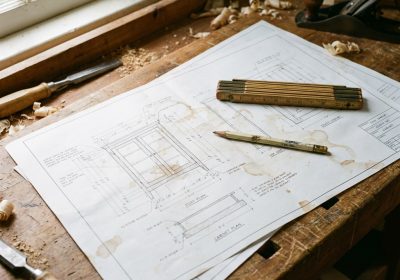
Cheap wood and a solid project plan are an unbeatable combination for beginners. Ted’s Woodworking includes thousands of project plans that include detailed material lists — so you know exactly how much wood to buy and what grade to specify before you leave home. Stop guessing at the hardware store and start building with a plan.